
Stock Trading vs. Crypto Trading: Key Differences Explained
GUIDES & RESOURCES
11/21/20245 min read
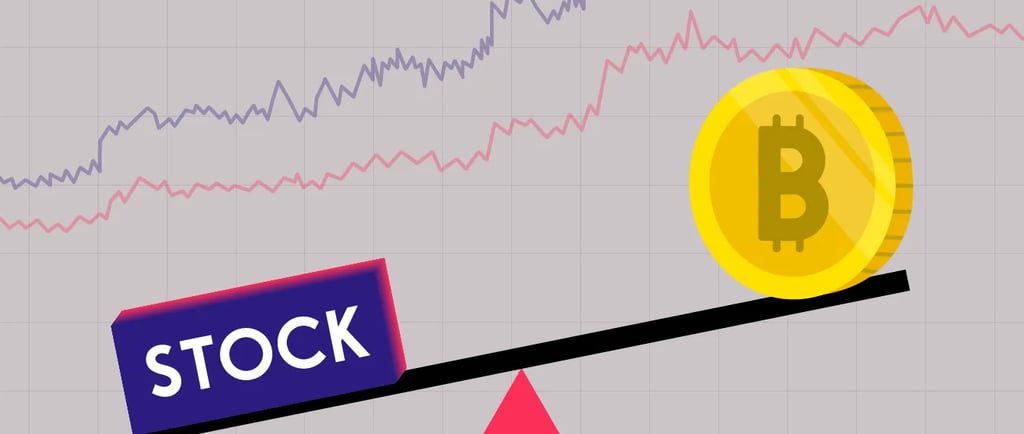
Understanding the Basics: Stock Trading and Crypto Trading
Stock trading involves buying and selling shares of publicly listed companies. Investors typically access stock markets through online trading platforms such as Yahoo Finance or brokerage services, where they can execute trades and analyze potential investments using comprehensive stock analysis tools like Investing.com. The fundamental mechanics of stock trading revolve around the concept of ownership; when an individual purchases shares, they acquire a stake in the company, which may yield dividends and appreciates in value over time based on performance and market demand.
On the other hand, cryptocurrency trading represents a burgeoning market where digital assets, or cryptocurrencies, are exchanged. These transactions primarily occur on specialized platforms known as cryptocurrency exchanges, with Coinbase and Binance being prominent examples. Unlike stock markets, cryptocurrency trading is decentralized, relying on blockchain technology to facilitate transactions without the need for intermediaries. As a result, trades can be executed around the clock, reflecting a significant departure from traditional stock trading hours.
To engage in crypto trading, investors require digital wallets, which store their cryptocurrencies securely. These wallets can be hardware-based or software-based, each offering varying levels of security and access. The relatively nascent nature of the cryptocurrency market often results in higher volatility compared to traditional stock markets, where prices tend to fluctuate based on earnings reports, economic indicators, and investor sentiment.
Ultimately, the operational differences between stock trading and crypto trading underscore the unique characteristics of each asset class. While stock trading involves tangible corporate ownership with regulated markets, crypto trading opens the doors to a decentralized digital economy marked by innovative technologies and the potential for significant gains, albeit with increased risk.
Comparing Risks: Stocks vs. Cryptocurrencies
When analyzing the risks associated with stock trading and cryptocurrency trading, it is essential to recognize the inherent volatility that characterizes both markets. The stock market, though often perceived as more stable, can still experience significant price fluctuations, especially during economic downturns or geopolitical uncertainties. Investors must navigate these challenges, frequently relying on financial indicators and market analyses to inform their decisions. On the other hand, cryptocurrencies are notorious for their extreme volatility, with prices capable of soaring or plummeting within short timeframes. This rapid price movement can lead to substantial profits but also exposes traders to severe potential losses.
Regulatory issues present another critical risk factor that distinguishes stock trading from cryptocurrency trading. Stocks are regulated by government entities such as the Securities and Exchange Commission (SEC), which imposes stringent guidelines and offers a level of investor protection. Conversely, the cryptocurrency market remains largely unregulated, resulting in a landscape where scams and fraud can proliferate. The absence of oversight means that investors in cryptocurrencies may find themselves vulnerable to losses caused by malicious activity, including hacking incidents targeting exchanges and wallets.
Additionally, the unique nature of cryptocurrencies introduces risks that are not typically present in stock trading. For instance, the potential for technology-related concerns, such as software bugs or network failures, exists in the crypto sphere. Moreover, the risk of losing access to digital assets due to forgotten passwords or lost private keys represents a significant concern for investors unfamiliar with cryptocurrency management. Therefore, individuals interested in entering the crypto market must familiarize themselves with security measures to protect their investments.
Ultimately, understanding these risks allows investors to align their trading choices with their risk tolerance and investment goals. While stock trading may appeal to those seeking a more structured environment, cryptocurrency trading may attract those willing to embrace a higher degree of risk for the chance at greater rewards.
Trading Strategies: Approaches for Stocks and Cryptos
When it comes to trading, both stocks and cryptocurrencies offer a variety of strategies tailored to different investment styles, risk tolerances, and market conditions. Understanding these approaches is crucial for traders looking to optimize their investment outcomes. One of the primary strategies employed in both markets is technical analysis, which involves evaluating price trends and historical data to forecast future movements. Traders use charts, patterns, and indicators to make informed decisions. For stock traders, platforms like ThinkorSwim provide extensive charting tools, while crypto traders may rely on sites like CoinMarketCap for live price tracking and analysis.
Day trading is another popular strategy, particularly in the fast-paced cryptocurrency market. Day traders buy and sell assets within a single trading day to capitalize on short-term price fluctuations. This approach requires a keen understanding of market dynamics and the ability to act quickly. On the stock trading front, platforms such as E*TRADE offer features that assist day traders in executing swift transactions. Meanwhile, crypto exchanges like Binance provide advanced tools that help traders identify potentially profitable trades based on volatility and volume throughout the day.
Long-term investing, characterized by holding assets for an extended period, is a strategy favored by many investors in both domains. This approach is based on the conviction that over time, asset values will appreciate, making it ideal for those with less risk tolerance. Investors can utilize trading platforms such as Robinhood for stocks and secure wallets like Trust for cryptocurrencies, ensuring safe holding of their assets while they monitor market trends.
In summarizing the various strategies available, it becomes evident that each approach can be tailored to fit different trading preferences and market conditions, allowing investors to devise a strategy that aligns with their goals. By selecting the right tools and platforms, both stock and crypto traders can enhance their practices and improve their chances of success.
Conclusion: Which Trading Style Suits You Best?
As we have explored throughout this analysis of stock trading versus crypto trading, the decision between these two investment styles hinges on various personal factors, including risk tolerance, investment goals, and individual preferences. Stock trading is often characterized by its structured approach, guided by regulations and the stability provided by established companies. This might appeal to investors who favor a traditional investment landscape where market behaviors are more predictable and influenced by tangible, measurable data.
Conversely, crypto trading encompasses a realm of innovation and flexibility that can attract those who thrive in dynamic environments and are open to embracing higher risk levels. The decentralized nature of cryptocurrencies can provide opportunities for significant returns, yet it comes with volatility that can also lead to substantial losses. Aspiring traders should honestly assess their comfort with risk and their ability to navigate the rapid fluctuations of the crypto market.
Therefore, when considering which trading style aligns better with your investment philosophy, it is essential to reflect on your long-term objectives. Are you seeking stability and gradual growth, or are you inclined towards high-risk, high-reward scenarios? Engaging with reputable sources, such as Seeking Alpha and TipRanks, can enhance your understanding of both landscapes and inform your decision-making process.
Irrespective of your choice between stock and crypto trading, it remains crucial to prioritize continuous education in trading mechanics. Staying informed about market trends, regulatory changes, and emerging technologies will empower you to make well-rounded decisions and refine your trading strategies effectively. Ultimately, investing is not solely about choosing a market but about finding the right approach that resonates with your financial aspirations and personal circumstances.