
Stock Market Apps vs. Crypto Wallets: A Usability Comparison
TECH & INNOVATIONS
11/22/20244 min read
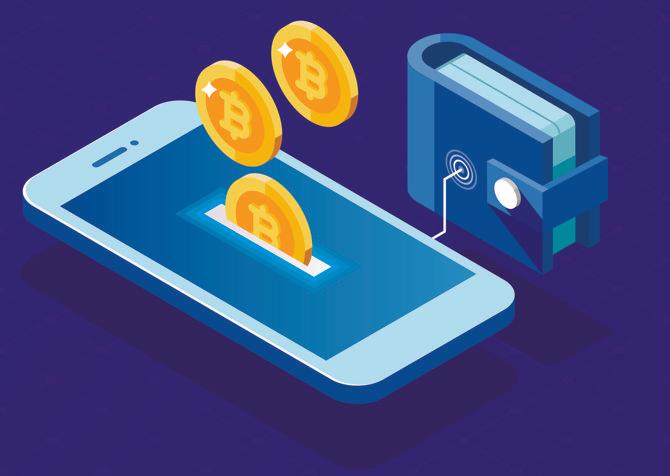

Stock Market Apps and Crypto Wallets
Investment tools have evolved significantly in recent years, particularly with the rise of technology-driven solutions. Among these tools, stock market apps and crypto wallets have emerged as essential resources for investors. Each serves a distinct purpose within the financial landscape, catering to different types of assets and investment strategies.
Stock market apps, such as Yahoo Finance and Investing.com, are designed to facilitate the buying and selling of traditional stocks. These applications provide users with real-time market data, enabling investors to make informed decisions based on current trends and insights. Additionally, stock market apps often include features like portfolio tracking, news updates, and financial analytics. Their primary function is to simplify the process of trading stocks, allowing users to execute trades quickly and efficiently from their mobile devices.
On the other hand, crypto wallets, including platforms like Binance and Coinbase, focus on managing digital currencies. Unlike stock market apps, crypto wallets are designed to store, send, and receive cryptocurrencies securely. They come in various forms, including software wallets that are user-friendly for everyday transactions and hardware wallets that offer enhanced security for long-term holdings. Crypto wallets allow users to interact with various blockchain networks, facilitating transactions involving multiple cryptocurrencies while prioritizing security and user autonomy.
By understanding both stock market apps and crypto wallets, investors can appreciate their unique functions and identify the tool that best aligns with their investment goals. As we delve deeper into the usability comparison, it is crucial to recognize the key features and purposes of each investment tool, as they significantly influence the user experience and overall effectiveness in managing assets.
Usability Features of Stock Market Apps
The usability of stock market apps is a critical factor that influences the experience and satisfaction of investors. One of the primary elements that contribute to usability is the user interface design. A well-designed interface allows users to navigate through various features with ease, creating an intuitive experience. Many successful stock market apps prioritize a clean layout and visually appealing graphics, making them more user-friendly. This design approach enables users, regardless of their investment knowledge, to access essential information quickly.
Additionally, ease of navigation is paramount. Users should be able to find essential features, such as stock trading, portfolio management, and market news, without encountering frustrations. An app that minimizes the number of clicks required to access specific tools enhances usability, allowing investors to focus on making informed decisions rather than struggling with technical limitations. Thoughtful categorization and a well-structured menu can greatly contribute to a smooth navigation experience.
Another significant aspect of usability is the availability of stock analysis tools. Applications like Seeking Alpha and TipRanks provide extensive analytical insights that aid in investment decision-making. These tools typically include stock ratings, detailed performance metrics, and analyst forecasts, which are invaluable for users. The integration of such analytics within stock market apps not only enriches the overall user experience but also empowers investors to make data-driven choices.
Furthermore, functionality for tracking investments is essential for maintaining user engagement. Stock market apps that allow seamless tracking of portfolio performance, price alerts, and real-time updates enhance usability. Users appreciate features that provide actionable insights into their investments, ultimately leading to greater satisfaction. When investing becomes more manageable and informative, users are more likely to remain loyal to an app. Collectively, these usability features play a significant role in shaping the success of stock market applications in today's rapidly evolving financial landscape.
Usability Features of Crypto Wallets
In the ever-evolving landscape of digital finance, crypto wallets have emerged as essential tools for users managing cryptocurrencies. Leading options such as Trust, Gemini, and CoinMarketCap stand out for their user-friendly interfaces and robust security features, crucial for both novice and experienced users. One primary advantage of these wallets is their inherent simplicity in facilitating transactions. The best crypto wallets offer a straightforward process for buying Bitcoin and other digital assets, often requiring just a few taps to complete a purchase.
Security is a paramount concern in the realm of cryptocurrencies, and top wallets excel in providing various protective measures. For instance, Trust Wallet employs a decentralized model, ensuring that users retain full control of their private keys. Similarly, Gemini is known for its compliance with regulatory standards, incorporating features like two-factor authentication (2FA) to enhance account protection. CoinMarketCap also includes reliable security protocols to safeguard users against potential threats, resulting in a more reassuring experience when trading or storing digital currencies.
When comparing usability features, platforms such as Binance and Coinbase provide a broader ecosystem that enhances the user experience. Binance, for instance, offers advanced trading options alongside its wallet functionalities, allowing users to easily navigate between buying and trading services. Coinbase, on the other hand, is particularly noted for its simplistic design and educational resources, making it easier for beginners to understand and engage with the cryptocurrency market. Each of these applications tailors user experiences through a combination of intuitive design, security, and versatile functionalities, ensuring that managing digital assets becomes a more accessible task for all users.
Comparative Analysis and Conclusion
In the comparison of stock market apps and crypto wallets, several factors emerge as critical in determining overall usability. Both tools serve as gateways to different asset classes, yet they present distinct features that cater to varying investment preferences. Stock market apps typically offer a more structured interface, as they are built upon decades of trading practices. Their design often prioritizes ease of navigation, making them accessible for both novice and experienced investors. Features such as stock screeners, portfolio tracking, and integrated news feed contribute to a streamlined user experience, enabling individuals to make informed decisions swiftly.
On the other hand, crypto wallets reveal a more versatile yet complex structure. Often designed for security and storage of digital assets, they may not provide the same level of intuitive design found in stock market applications. For instance, while many wallets include functionalities like buying and selling cryptocurrencies directly, the process can be less straightforward due to the variety of coins and tokens involved. Furthermore, the inherent volatility and variety of options in the crypto market can be overwhelming for users unfamiliar with digital investments.
When examining support for investment strategies, stock market apps often excel with their robust tools for analysis, risk assessment, and long-term investment planning. Conversely, while crypto wallets may facilitate immediate trades and benefits from fast transactions, they often lack comprehensive features to aid strategic investment planning.
Ultimately, the choice between stock market apps and crypto wallets largely depends on the user's investment goals and preferences. For those focused on traditional assets and a structured approach, a stock market app may be more suitable. In contrast, individuals interested in exploring the digital asset space may find crypto wallets more aligned with their needs. Balancing usability and investment strategies is key for successful investment outcomes.